
The Latvian pilot site is the Imanta Garden complex, located in the western district of Riga, the country’s capital city.
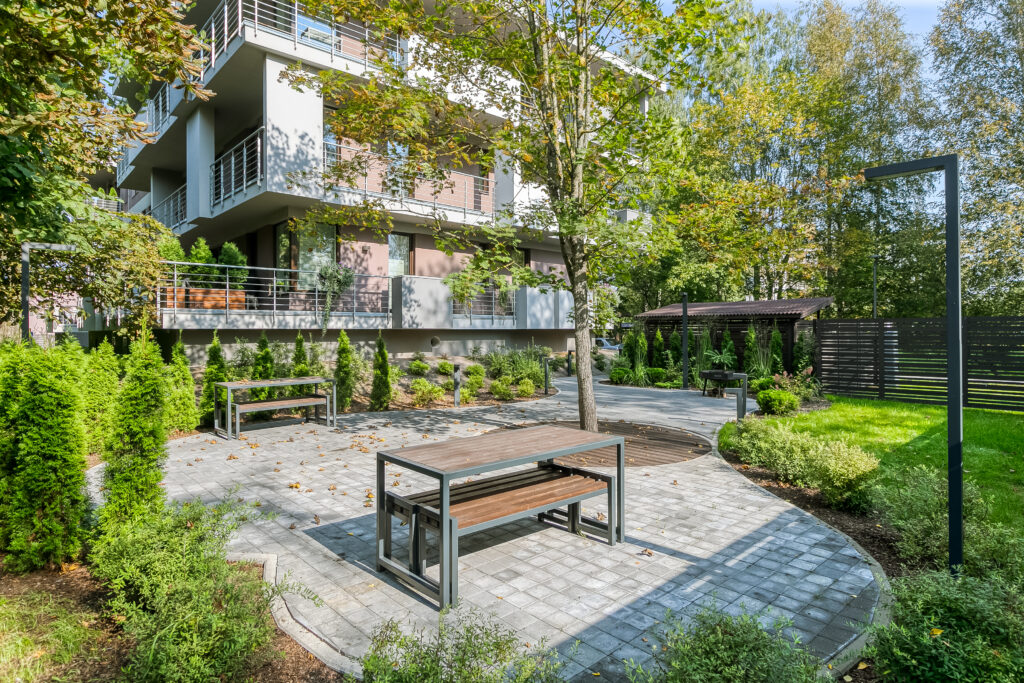
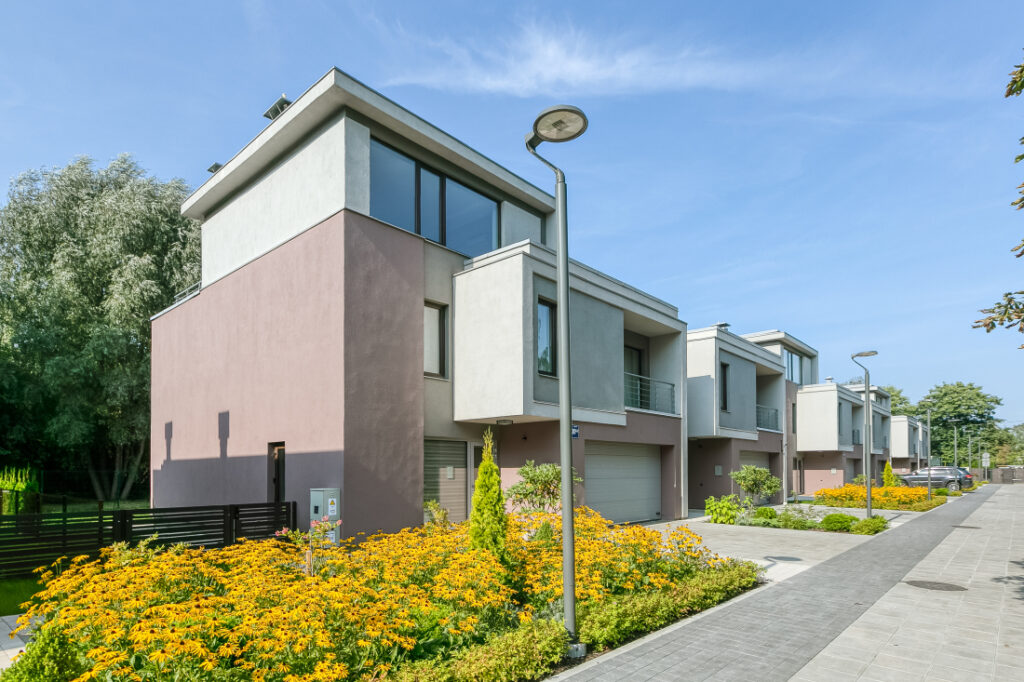
The residential complex was completed in 2019 and is designed as a modern, family-oriented property consisting of a multi-apartment building, four twin (semi-detached) houses and a shared garden.
In total, the Imanta Garden complex contains 23 residential units accommodating approximately 50 residents, with a combined residential area of 3,014m2.
Pilot aims
Young families have great potential to take advantage of today’s technological opportunities. However, these technologies do not always work in the users’ best interest or help them to make informed decisions that could reduce their energy consumptions and related costs.
Therefore, the DECODIT project fits perfectly into the Imanta Garden context. It will not only support our pilot but also serve as an example for other similar buildings and families across Latvia.
Current status of the pilot
The pilot is at the initial stage. The first workshop with Imanta Garden residents is being prepared and will take place early in 2026. The event will provide valuable insights for the project about the residents’ energy literacy, energy consumption habits and everyday challenges.
After that, the next steps will be the finalisation and installation of IoT device solutions, but for now the focus is on successfully organising this first workshop.
Challenges
The main challenge lies in motivating residents. Some participants may be less interested or unwilling to actively use the devices for various reasons. Another challenge is that these families are generally well-off and energy costs are not among their most significant expenses.
To address this, RENESCO as the pilot facilitator plans to adopt a voluntary engagement approach, focusing on residents who are genuinely motivated to participate rather than enforcing involvement. It is expected that less motivated individuals may eventually be encouraged to join once they observe the benefits experienced by their neighbours.
If needed, additional households can be gradually integrated into the project to maintain the desired level of participation.
It can also be noted that as the building’s current energy efficiency class already meets up-to-date standards, further investments might not be economically feasible as the payback period could be more than 10 years. Nevertheless, we see potential and continue to actively work within the project framework.
Lessons to date
It can be difficult to capture the residents’ attentions. Although they find the topic interesting, when the time comes for meetings, usually only about one-fifth of all the invited participants attend. The topic is important, as it concerns improving one’s living environment, so the pilot leader has to allocate efforts to motivate and communicate with residents to increase their participation.
This article was contributed by Oļegs Petkevičs and members of the pilot team at RENESCO.