
Meet Lia Patricio and her assistants Giulianna Reyes and Francisca Lucas Diaz who are leading DECODIT’s work package 2 on innovative participatory co-creation and practice-based service design approaches for the project’s four citizen and energy community living labs.
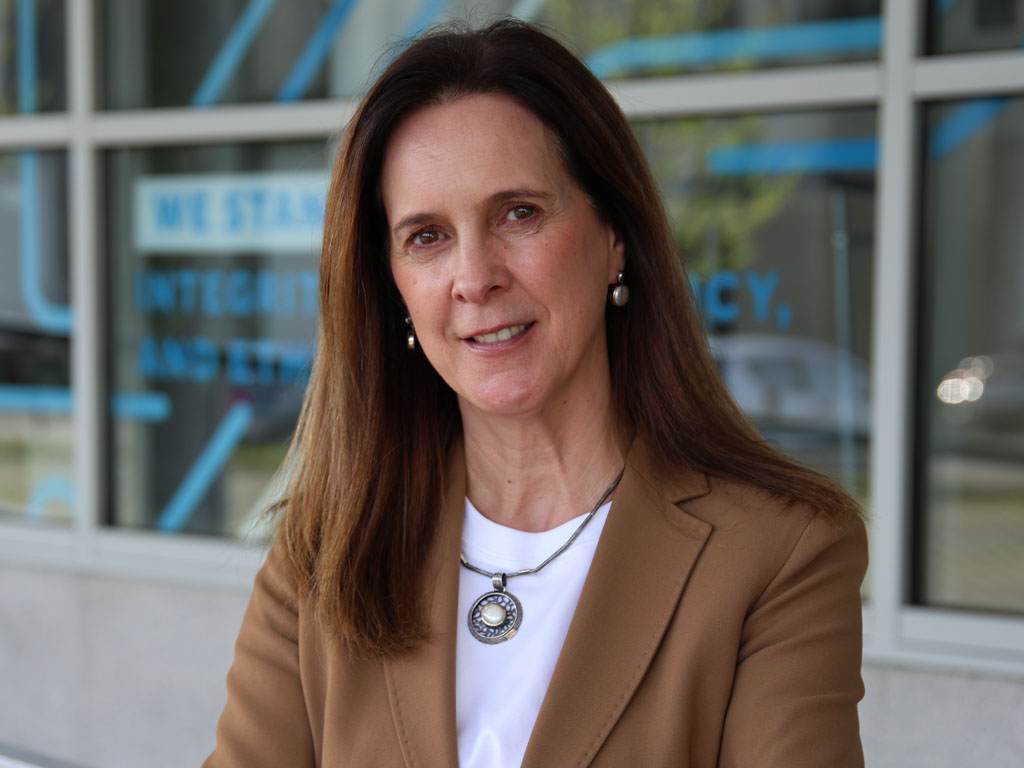
Lia, a professor in the University of Porto’s Department of Industrial Engineering and Management and member of the board of its engineering, technology and science research institute INESCTEC – and the supervisor of Giulianna’s and Francisca’s doctoral research – begins by explaining how the approach for WP2 is very much an evolution of the work over more than the past decade at INESCTEC of bringing a human-centred approaches to the leveraging of technology to design and innovate on services.
“We have worked in multiple services from retail to banking and health but gradually have moved beyond a focus on individual customers. The energy transition has multiple stakeholders – energy communities, technology companies, policy makers, etc. – so we need to be facilitators not only for service design approaches to leverage technology but also for the wider transformation of the social system and that led us to evolve in our approach to a more systemic transformation and what brought us to DECODIT.”
The goal of DECODIT is to develop digital tools to support citizens and communities in their energy transition.
“We are focused on this intersection of technology with the communities and the living labs as their providers,” she says, commenting that one of the first tasks was to develop a new service design methodology, to understand communities’ experiences and reality, and to co-create new digital services to foster transformation of their energy consumption practices towards more sustainable ones.
Co-creation and service design
For this, the team worked closely with the team from Aalborg University, which is leading the tasks on co-creation, in close and synergistic connection between service design and the co-creation processes.
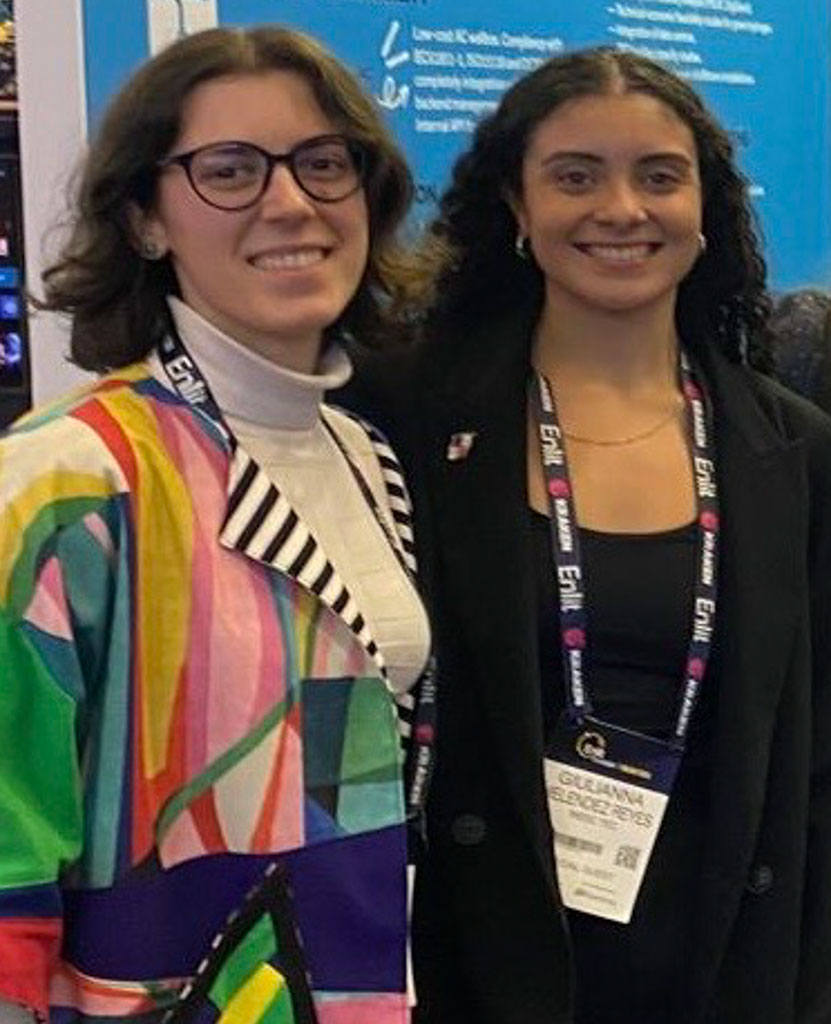
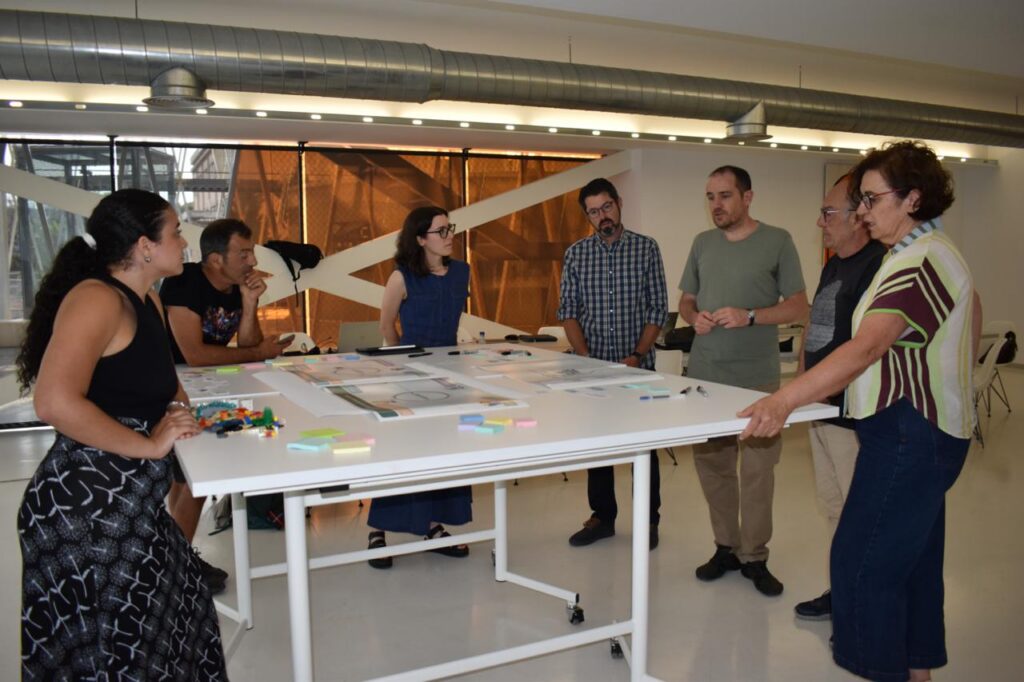
“We have set this methodology where we have iterative cycles of co-creation with the technology partners, service providers and the communities, so that the digital tools are developed in a way that has a good fit with the community practices but are also transformative.”
Going more in-depth into the process, Lia says that an interesting but challenging aspect has been to bring together the technology partners and the users and others in the communities to work and communicate together.
“It has been a wonderful journey, but there are many challenges and I think this approach we are establishing with the dialogue and iterative cycles that we have been doing with the use of service design is one innovative aspect as we try to understand the different stakeholders and find ways to co-create value together.”
A second point she mentions that informs the development of the DECODIT services is what she calls “the practice-theory approach to service design”. This entails iterative cycles that foster a dialogue between energy community practices and technology service practices, so that the services developed at DECODIT leverage technology potential while aligning with the household energy management journeys, as well as their meanings and competences.
“One of the challenges we have found in other projects when a new product or service is introduced is an initial enthusiasm and then fading usage and through this iterative process of working together with the stakeholders, we are establishing an ongoing dialogue that can continue through the duration of the project and that goes beyond merely introducing a digital tool and going away.”
Digital tools
Looking ahead, Lia says that the first months of the project were spent very much on getting to know the partners and the different conditions in the pilot countries. The four living labs in these are at different stages of maturity, and it became apparent early on that processes that are applicable in one country may not be in another, for example, due to the social or cultural context, the living labs’ goals, or even the weather.
Now, following the dialogues with the various stakeholders, largely undertaken by Giulianna and Francisca, prototype digital tools are in development, with the next step to introduce them to the communities and to experiment and learn and evolve them.
“The digital tools have to be adapted for the different goals of the living labs and for the different communities that are going to be using them and this is why contextualizing their development is so important.”
With the tools in place the next step is to ensure that they are working as intended but also are adopted and become embedded in the practices of a significant number of members of the respective energy communities.
“For us the process also is one of learning and we want to systematise these learnings, for example we want to understand how co-creation can be adapted for different nuanced contexts and how we can learn from each other,” Lia says.
Supporting the energy transition
So what is the vision for DECODIT to contribute to the energy transition?
“It’s been a wonderful experience in DECODIT as the partners have been very much engaged to learn from each other and its been particularly challenging for the living labs as they have the dual challenge of a co-creation approach for their local context but also learning from the others to increase the possibility of replication.”
Lia concludes: “For us it is that we can contribute to a closer dialogue between the technological and social aspects in a way that facilitates this transition.
“I work in the school of engineering and every day I see technology experts loving their technology and often assuming that people will love it as they do. If we can contribute to that by building the bridge by taking technology innovations to wider adoption and wider impact on communities, we can contribute for the energy transition really becoming a reality, beyond the niche of technology experts to a wider community based transformation.”