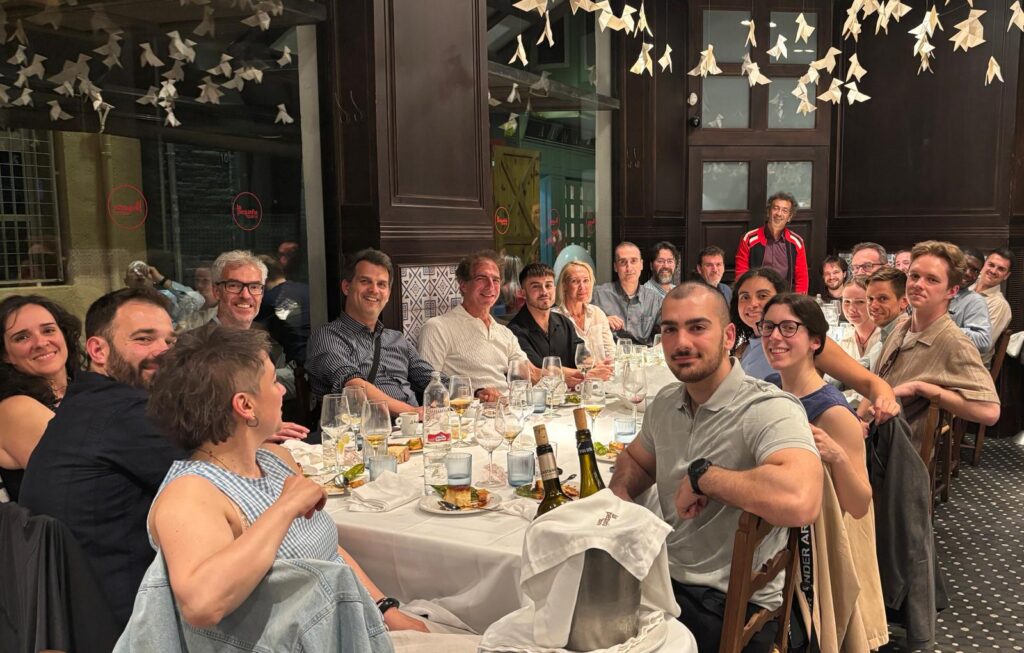
The latest general assembly of the DECODIT project, held in Murcia in southeast Spain near the country’s pilot site, showcased significant progress across the initiative’s technical, co-creation and pilot activities as partners enter the second half of the project.
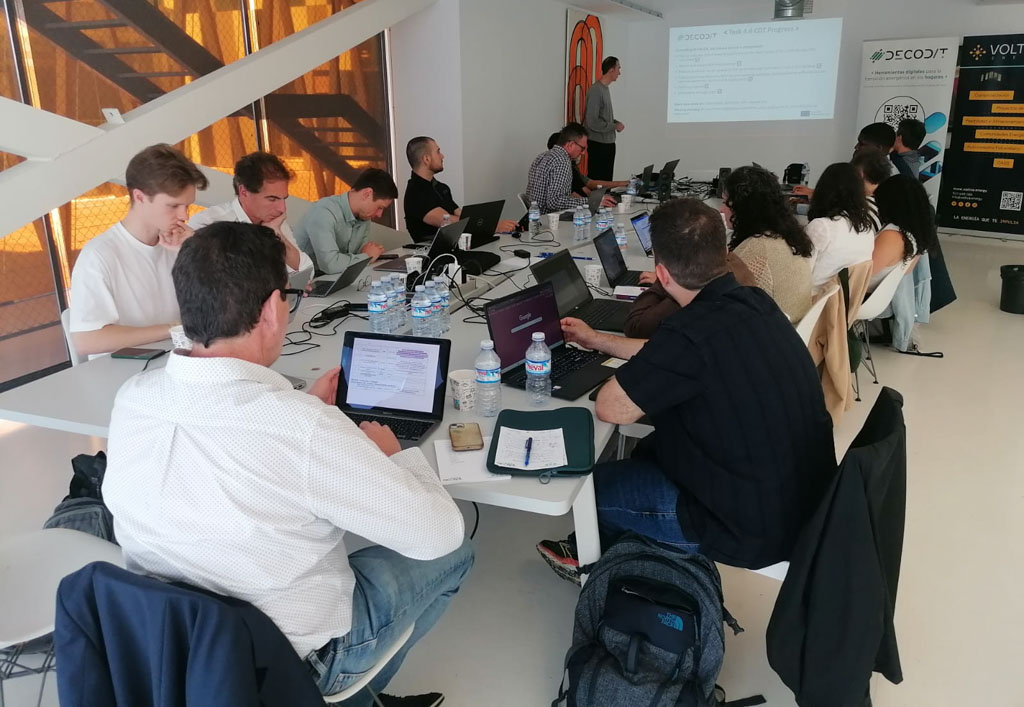
Hosted by Voltiva Energy and the La Solar Energia energy cooperative, the two-day meeting brought together project partners to review ongoing developments, upcoming deliverables and integration priorities.
Opening the assembly, project coordinator Stratis Kanarachos noted that the project remains broadly on track both technically and financially, while stressing the importance of strong coordination and partner engagement as several major deliverables approach.
Communication, dissemination and exploitation activities also continue to expand. Reporting on outreach efforts, Areti Ntaradimou highlighted DECODIT’s regular participation in European events and the project’s active publication schedule. Upcoming activities include participation in Enlit Europe 2026, with proposals for dedicated sessions both for DECODIT and the wider E-NERGY cluster within the EU Projects Zone, following similar activities organised in 2025.
Efforts are also ongoing to strengthen collaboration with other EU-funded projects and cluster initiatives.
Co-creation and energy literacy
Co-creation remains a central pillar of DECODIT’s approach. Lia Patricio and Aggeliki Aggeli presented recent findings from the project’s ongoing engagement activities, alongside preparations for several scientific and non-scientific publications.
One of the key challenges identified so far is the assessment and development of energy literacy across the project’s pilot countries, each characterised by different socio-economic conditions and housing realities.
To address this, the consortium has defined four core dimensions of energy literacy: contextual understanding, knowledge of appliances and devices, awareness of energy-saving actions, and financial literacy related to energy costs, tariffs and bills.
Initial findings from surveys conducted in Spain, Greece and Latvia revealed affordability as a leading concern for households across all pilots. However, notable differences also emerged. In Spain, sustainability ranked highly among participants’ priorities, while in Latvia it received considerably less emphasis, with Greece falling somewhere in between.
Advancing the DECODIT digital platform
Significant progress was also reported on the DECODIT IT architecture and user application. Presenting the latest developments, Vassilis Antonopoulos highlighted the extensive work undertaken to translate co-creation outcomes into practical digital tools and user-oriented functionalities.
Particular focus has been placed on refining the user journey and identifying the types of information and services capable of supporting behavioural change and energy efficiency improvements.
AI is expected to play an important role within the platform. One example discussed during the assembly involved the potential use of AI-driven recommendations to identify excessive heating consumption and suggest efficiency measures to households.
Partners also underlined that the platform must support not only digital learning but also individual and collective learning processes within households and local communities.
The next major milestone for the technical teams will be the finalisation of the application prototype content and the launch of the first version of the platform over the summer.
While progress across the technical work packages remains positive, consortium members acknowledged that system integration will now become increasingly critical to ensure smooth communication between all project components.
Pilot activities and interoperability
The assembly’s first day concluded with a site and city visit, while the second day focused primarily on updates from the project’s four pilot sites.
Although the pilots are currently at different stages of development, all are now generating IoT data. The immediate priority across sites is ensuring the integrity, consistency and routing of data streams from participating households to the DECODIT IT backbone.
Historical datasets are also being identified in Spain, Greece and Switzerland, while synthetic data generation remains a possible fallback option where needed.
A major focus moving forward will be the integration of pilot data into digital twins and building integration models, alongside the continued standardisation of terminology and device communication protocols to ensure interoperability across all pilot sites.
Closing the assembly, Kanarachos emphasised that the meeting had enabled important discussions and reflected the increasingly strong collaboration among project partners.
While no major risks requiring formal consortium decisions emerged during the assembly, he noted that substantial work still lies ahead as the project enters its critical second phase, particularly over the coming summer months.
Thanking the Spanish pilot team for hosting the event, he also announced that the next DECODIT general assembly is expected to take place in Massagno, southern Switzerland, in September, following an invitation from the Swiss pilot team.